Air conditioners should be quiet, almost forgettable. When a smell rides the airflow, your home tells you something changed inside that system. Sometimes it is harmless and clears on its own. Other times it is the first sign of a safety issue or a preventable breakdown. After years crawling through attics, opening blower compartments, and tracing leaks behind drywall, I’ve learned that odors rarely lie. They point, if you know how to read them. This guide breaks down what those smells often mean, when to call for emergency ac repair, and how a reliable HVAC company approaches diagnosis and cleanup.
Why smells deserve quick attention
Smells come from molecules. If you can smell something, particles are traveling through your ductwork and into your lungs. Odors signal a source. In an air conditioner, the source is usually moisture, heat, burned material, off-gassing oils, refrigerant byproducts, or organisms living on surfaces. Left alone, small sources become large and expensive. Mold spreads from a damp coil pan to the duct liner. A loose electrical connection goes from warm plastic to scorched insulation. A cracked drain trap slowly rots framing wood around the air handler. All of these begin as a smell before they become a failure.
There is another reason to act quickly: smells distort perception. After a few hours your nose fatigues and you stop noticing the odor, the way you forget a steady hum. The problem keeps growing even as your awareness fades. That is why a good ac service visit includes asking when the smell appears, how it changes with mode, and whether it intensifies after long cycles.
The most common AC odors and what they signal
Every home has its own mix of materials, pets, and airflow patterns, so no two odor complaints read exactly the same. Still, some patterns repeat. When a homeowner calls and says “it smells sweet,” or “it smells like dirty socks,” I already have a short list in mind and a likely sequence for inspection.
Musty or damp, especially at startup
This is the classic evaporator coil and drain pan problem. When warm, humid air hits a cold coil, condensate forms. If drainage is poor or the pan sits even slightly out of level, water lingers and biofilms grow. The smell gets worse on initial startup after the unit has sat idle, then sometimes fades as the coil runs colder and the airflow dries out.
In homes with fiber duct liner or older flex duct, microbial growth can take hold inside the first few feet past the air handler. I once opened a return plenum in a coastal rental that had a wool sock lodged against the liner. The sock wasn’t the source, it was the dam causing stagnant water and a musty odor every June. Remove obstruction, sanitize, level the pan, and the “mystery smell” disappeared.
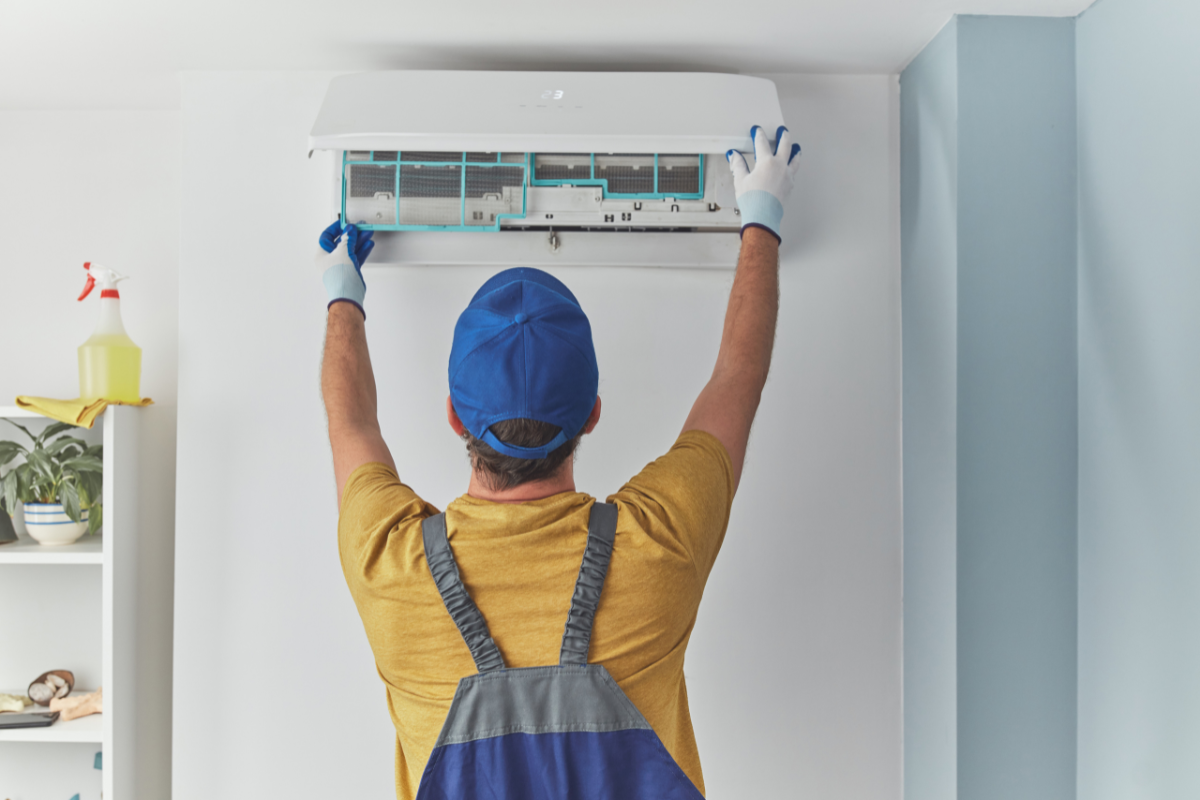
Technicians treat this with a few steps: clean the evaporator coil with a non-acidic coil cleaner rated for indoor use, flush the drain line with water and a mild biocide, replace the trap if it has collapsed, and install an access tee for future maintenance. If the coil is heavily fouled or the pan is rusted, repair or replacement may be needed. UV lights can help keep the coil surface cleaner, but they are not a substitute for mechanical cleaning and good drainage.
Sour or “dirty socks” smell
Most homeowners describe this on heat pump systems during shoulder seasons. The evaporator coil harbors bacteria that release volatile fatty acids when warmed slightly, like a locker room when the air sits damp. The smell often spikes in low-load conditions and during short cycles.
This is not a refrigerant issue. It is a cleanliness and moisture issue. Deep-cleaning the coil and pan typically resolves it for a year or two. In homes with chronic humidity, pairing coil cleaning with better filtration and a dehumidifier can prevent recurrence. If the system pulls return air from a damp crawlspace because of a leaky return, sealing that return often makes more difference than any chemical treatment.
Burned plastic or hot metal
If the AC has just been powered on after sitting through a season of dust accumulation, a brief warm smell as the electric heat strips or crankcase heater burn off dust isn’t unusual. That should last minutes, not hours.
A persistent burnt odor demands immediate attention. Possible culprits include a loose electrical lug arcing in the air handler, a failing blower motor winding, insulation contacting a heat strip, or a relay that overheats under load. I’ve opened panels to find melted spade connectors on sequencers and charring around motor capacitors. These are fire risks. Turn the system off, and this is where emergency ac repair makes sense. A competent tech will check amp draw, inspect wiring harnesses, tighten lugs to spec, and replace damaged components. When the smell lingers after repair, it often means residue on the cabinet or filter still needs to be cleaned or replaced.
Rotten egg or sulfur-like smell
Natural gas utility companies add mercaptan to make leaks detectable. A central AC typically does not use combustible gas, but many air handlers share space with gas furnaces. If the smell appears near the furnace compartment or utility closet, treat it as a potential gas leak. Ventilate, avoid electrical switches, and call the gas utility or emergency ac repair line. I have responded to two calls where the AC “smelled bad,” only to find a tiny cracked gas valve on the furnace side. Once repaired, the AC smell vanished. If your home uses propane, that odor also indicates leak potential.
There is a separate sulfur smell caused by bacteria in stagnant water in drains. If the odor spikes near floor drains connected to the AC condensate, flushing and treating the trap water can fix it.
Sweet, chemical, or chloroform-like odor
Refrigerants themselves have little smell, but oil-carrying mist or refrigerant contacting certain materials can create a sweet or solvent-like odor. In tight rooms, a refrigerant leak can displace oxygen and create mild dizziness or headache. I advise shutting the system down and opening windows if you suspect a leak odor, especially in small apartments where the air handler sits in a closet.
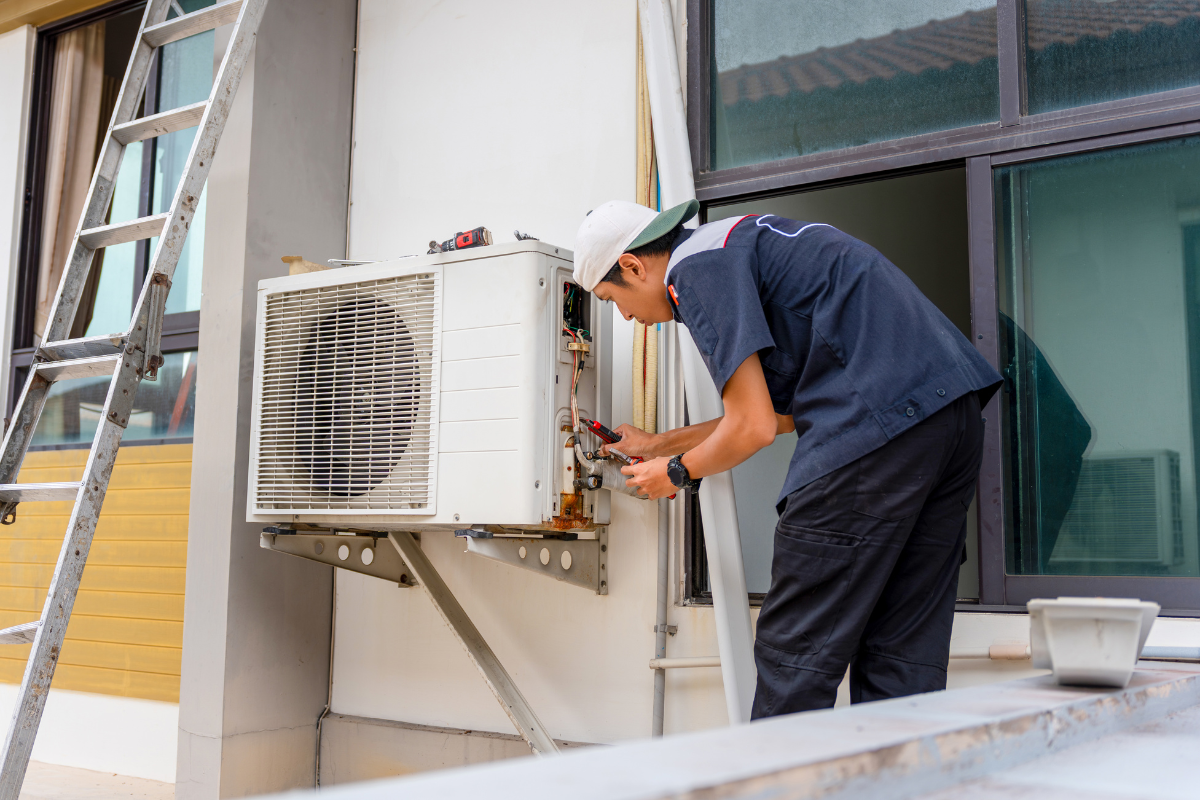
A tech will use an electronic leak detector and soap solution to trace joints at the evaporator, service valves, and braze points. Pinholes on coils are common in areas with indoor contaminants like cleaning solvents or off-gassing that interact with coil coatings, a phenomenon sometimes called formicary corrosion. Repairs range from re-brazing a joint to replacing the coil. If the system lost charge, weigh out remaining refrigerant, repair, evacuate to proper microns, and weigh in the correct factory charge. Guessing at charge by “feel” is how odors and failures recur.
Vinegar or acidic tang
Acidic odors near the air handler often come from a failed capacitor venting or electrolyte residue on a circuit board cooked by moisture. I once found a blower board that had literally corroded into a crust because the unit sat in a damp basement with no dehumidification. Replacing the board and adding a simple stand to keep it above periodic puddles prevented repeat failures. The smell went away once the damaged parts and residue were removed.
Sewage or dead animal
Two separate issues. Sewage-like smells can be pulled into returns from a leaky condensate trap tied incorrectly into a plumbing sewer line. Negative pressure on the return side sucks sewer gas back through the trap if it is dry or improperly vented. The fix is plumbing, not just HVAC: correct the trap configuration, ensure a proper vent, and keep the trap primed.
Dead animal odors appear in spring and fall when critters seek warmth in attic ducts or wall cavities. I’ve retrieved birds from open returns and a very annoyed squirrel from a rooftop package unit. When odors come with scratching or intermittent spikes, inspection of returns, roof caps, and soffit penetrations is in order. Remove the source, sanitize the duct section, and consider replacing contaminated flex duct. Masking sprays do nothing here.
How a good HVAC company approaches odor diagnosis
Smells are clues. The best ac repair services treat them as part of a systematic diagnostic process rather than a problem to spray with deodorizer. A typical sequence looks like this:
- Listen and map the pattern. When do you notice the smell, cooling or heating, first cycle or constant, specific rooms or whole house. Visual inspection. Open the air handler, check the evaporator coil, pan, drain line, blower wheel, heat strips, wiring harnesses, and look for water stains or corrosion. Scan ducts near the air handler for obvious leaks or rodent damage. Operational checks. Run the system, check static pressure, temperature split, blower speed, and humidity. Measure electrical draws and look for abnormal heat with an IR thermometer around electrical components. Leak and contamination tests. Use an electronic refrigerant detector, apply bubble solution to suspect joints, and in some cases take air samples near supply registers to isolate zones. Correct, clean, and verify. Fix the root cause, then clean and sanitize affected areas with appropriate products, flush drains, replace filters, and recheck operation. Finally, confirm that the odor has dissipated under normal cycling.
If your technician jumps straight to fragrance tablets or sprays without locating the source, you are paying for a reset that won’t hold. Effective hvac services pair mechanical fixes with hygiene inside the equipment.
When odors justify emergency ac repair
Not every smell warrants a midnight call. A musty whiff that fades after five minutes can usually wait for the next business day. However, there are lines you should not cross.
Call for emergency service if any of these occur: a persistent burning smell while the unit runs, sulfur or gas odor near the furnace or utility area, a sweet chemical odor with dizziness or metallic taste, visible smoke or arcing inside the air handler, or a sewage smell that intensifies when the blower starts. In those cases, shut the system off at the thermostat and breaker, ventilate the space, and keep people and pets away from the mechanical closet. A seasoned tech will arrive ready to isolate power, meter circuits, and seal off any open gas lines before further diagnosis.
Case notes from the field
A two-story house with a “wet dog” smell only when the upstairs system ran. The coil looked clean. The pan was level. But the odor persisted. We smoked the return and found smoke escaping into a knee wall. The return plenum had a half-inch gap where a transition met the air handler, pulling musty air from insulation-packed cavities. Mastic and foil tape to seal that seam solved a year-long odor complaint in a single visit.
In a downtown condo, a resident reported a sickly sweet odor and headaches in the evening. The air handler was inside a closet with a water heater. No gas. The evaporator coil showed oil staining at the U-bends. The leak was small, but the room was tight. We recovered the remaining refrigerant, replaced the coil, upgraded the closet ventilation per building code, and the odor stopped. The management company later adopted a policy to keep mechanical closets free of stored boxes, which had previously trapped heat and worsened off-gassing.
A rental home had a rotten-egg smell only when the AC ran after heavy rain. The condensate line tied into a laundry standpipe with no proper trap. Negative pressure on the return pulled sewer gas straight into the duct with each cycle. A simple P-trap with a vented tee and an air gap standpipe fixed it in an hour. Sometimes the loudest problems have simple plumbing roots.
The cleaning and sanitizing layer
Once mechanical issues are fixed, you still have to remove residue and biofilm that hold odor molecules. I prefer a measured approach. Start with physical cleaning: vacuum the blower wheel, wipe cabinet surfaces with a mild detergent, and rinse the coil thoroughly after applying coil cleaner. For microbial growth, use EPA-registered coil cleaners and disinfectants compatible with aluminum and copper. Aggressive chemicals can etch fins or corrode solder joints. Avoid chlorine-based products on coils.
If ducts are contaminated, targeted duct cleaning makes sense. Not every home needs a whole-house duct cleaning. In many odor cases, the first 10 to 15 feet near the air handler are the trouble zone. Replace short runs of flex duct that show organic growth rather than trying to disinfect a porous liner. Solid metal ducts can be wiped and sanitized, then dried with the blower running. Replace filters at the end of the visit, not the beginning, to keep them from catching cleaning residue.
Preventing odors before they start
Most odor issues shrivel under regular maintenance and thoughtful design. Annual or semiannual ac service goes a long way. The tasks that matter most are not glamorous, but they work: clear the drain line and verify a proper trap, level and secure the pan, clean the coil face, check blower speed against target static pressure, inspect electrical connections, and confirm refrigerant charge.
Humidity control plays a quiet, outsized role. In damp climates, keeping indoor relative humidity between 45 and 55 percent cuts down microbial growth and that “stale” smell. A whole-home dehumidifier tied into the return can keep the coil drier during low-load periods. In arid climates, oversizing is the enemy. Short cycles do not dehumidify well. The result is a home that feels sticky at normal thermostat settings and a system that breeds odors. Proper sizing and sensible fan settings matter more than any spray.
I also recommend thinking about the air your system ingests. Seal returns with mastic, not just tape. Keep mechanical closets clean and free of paint cans or solvents, which off-gas and recirculate. If your home has a known rodent problem, do not run new flex duct until the intrusion is addressed. No sanitizer solves an active nest inside a return boot.
What to expect from professional ac repair services
A reputable HVAC company will be comfortable talking through options instead of pushing a one-note solution. For odor calls, I outline likely causes, give a price range for cleaning versus component repair, and explain what we can confirm on the first visit. Some fixes are straightforward and same-day. Others require ordering a coil or scheduling a duct liner replacement.
Here is a concise checklist you can use when you schedule service:
- Describe the smell in concrete terms and note when it appears, especially whether it’s tied to startup or long cycles. Share the system’s age, last maintenance date, and any past drain or electrical issues. Ask whether the company performs coil cleaning, drain line remediation, and leak detection, not just “deodorizing.” Confirm that the technician will measure static pressure and electrical draws, not diagnose by smell alone. If the odor suggests gas or burning, turn the system off and request emergency ac repair.
Pricing varies by region, but a routine odor-related cleaning and drain remediation often falls in the low hundreds, while coil replacement or significant duct work can reach four figures. A detection-only visit to locate a refrigerant leak usually costs less than the leak repair, which might include refrigerant recovery, brazing, evacuation, and recharge. Good companies give a written scope before starting.
Edge cases and tricky diagnoses
Vacation homes and rarely used zones gather odors that appear only after long idle periods. Here, smart thermostats with periodic fan runs can keep air moving and the coil dry. In homes with scented candles or strong cleaners, residues collect on coils and burn off as acrid odors when heat strips energize. Adjusting ventilation and switching to low-VOC products make more difference than extra filter MERV ratings.
All-electric heat pump systems can produce unusual smells during defrost. Steam wafts from outdoor units, and the indoor air may carry a faint metallic scent as the reversing valve shifts. That should be brief. If it lingers, check heat strips and wiring.
New equipment can smell “factory” for the first few hours, especially air handlers with new insulation. That should fade within a couple of days. If it does not, look for adhesive drips on heat strips or insulation contacting hot components. I have trimmed brand-new liner that curled into a heat bank because the shipping brace was left installed.
Sometimes the nose misleads. A “chemical” odor in a high-rise turned out to be a neighbor’s nail salon venting into a shared chase and getting sucked into return leaks. We sealed the return, and the odor stopped even though the salon kept operating. If an odor defies logic, widen the lens to include building pressure, neighbors, and shared chases.
Filters, UV, and other add-ons, with caveats
High-MERV filters catch more particulates, including some odor-carrying aerosols, but they raise static pressure if the filter rack is undersized. A high MERV filter crammed into a small rack can starve the blower, leading to coil icing and, ironically, more musty odors. Right-size the rack or use a media cabinet designed for higher MERV filters. Change intervals matter more than ratings in many homes.
UV lights help keep biological growth off the coil surface. They do not sanitize air racing by at several hundred feet per minute. If installed, maintain them. Old lamps lose output, and cracked housings can leak UV that degrades nearby plastics. I install them where I can replace lamps without disassembling the air handler and where wiring is protected from condensate.
Activated carbon filters can reduce certain odors, especially from VOCs, but they saturate and need replacement more frequently than standard filters. They pair well https://andersoncggl890.lucialpiazzale.com/working-with-an-hvac-company-during-renovations with source control and sealing, not as a cure-all.
Choosing the right partner for the job
When calling ac repair services, ask about training, not just years in business. Look for techs who talk about measurements and root causes. If a dispatcher can schedule both cleaning and potential repair in one visit, you save time. Reviews help, but read for patterns about communication and follow-through, not just star counts. A company that admits uncertainty in an estimate and explains why earns trust. Odor work is part science, part craftsmanship.
Emergency lines matter too. If your home relies on a single system for cooling and the odor suggests electrical risk or gas, having a known emergency ac repair contact is worth its weight. They should arrive equipped to isolate hazards, not simply push you to wait for office hours.
A practical path forward
If you smell something off when your AC runs, take ten minutes to observe. Note whether the smell is musty, sour, sweet, burnt, or sulfur-like. See if it fades or builds. Check the condensate drain for steady flow and the filter for clogging. If the odor hints at fire or gas, shut it down and call for help. Otherwise, schedule ac service with a clear description and give the tech space to inspect, measure, clean, and, if needed, repair.
A clean coil, a clear drain, sealed returns, and properly charged refrigerant rarely smell like anything at all. That quiet, invisible performance is the mark of a system doing its job. Reliable hvac services aim for that state, and a good HVAC company will get you there without shortcuts. When the nose tells you something changed, listen, then act. The fix is often closer, cheaper, and safer when you do.
Prime HVAC Cleaners
Address: 3340 W Coleman Rd, Kansas City, MO 64111
Phone: (816) 323-0204
Website: https://cameronhubert846.wixsite.com/prime-hvac-cleaners